Desert Heat PPE: Cooling Vests, Hi-Vis and Sun Protection for 50°C Sites
Key Takeaways
- Specify evaporative cooling vests for 50°C desert sites with humidity below 30%, and order one vest plus two spare inserts per worker.
- Choose phase-change vests for humid coastal sites where evaporation is slow, using inserts that melt at 28°C.
- Ensure your cooling vest also provides UPF 50+ sun protection on covered areas, not just cooling.
- For desert sun, select EN ISO 20471 Class 3 hi-vis for high-risk moving-plant zones and consider light-coloured hi-vis for heat reflection.
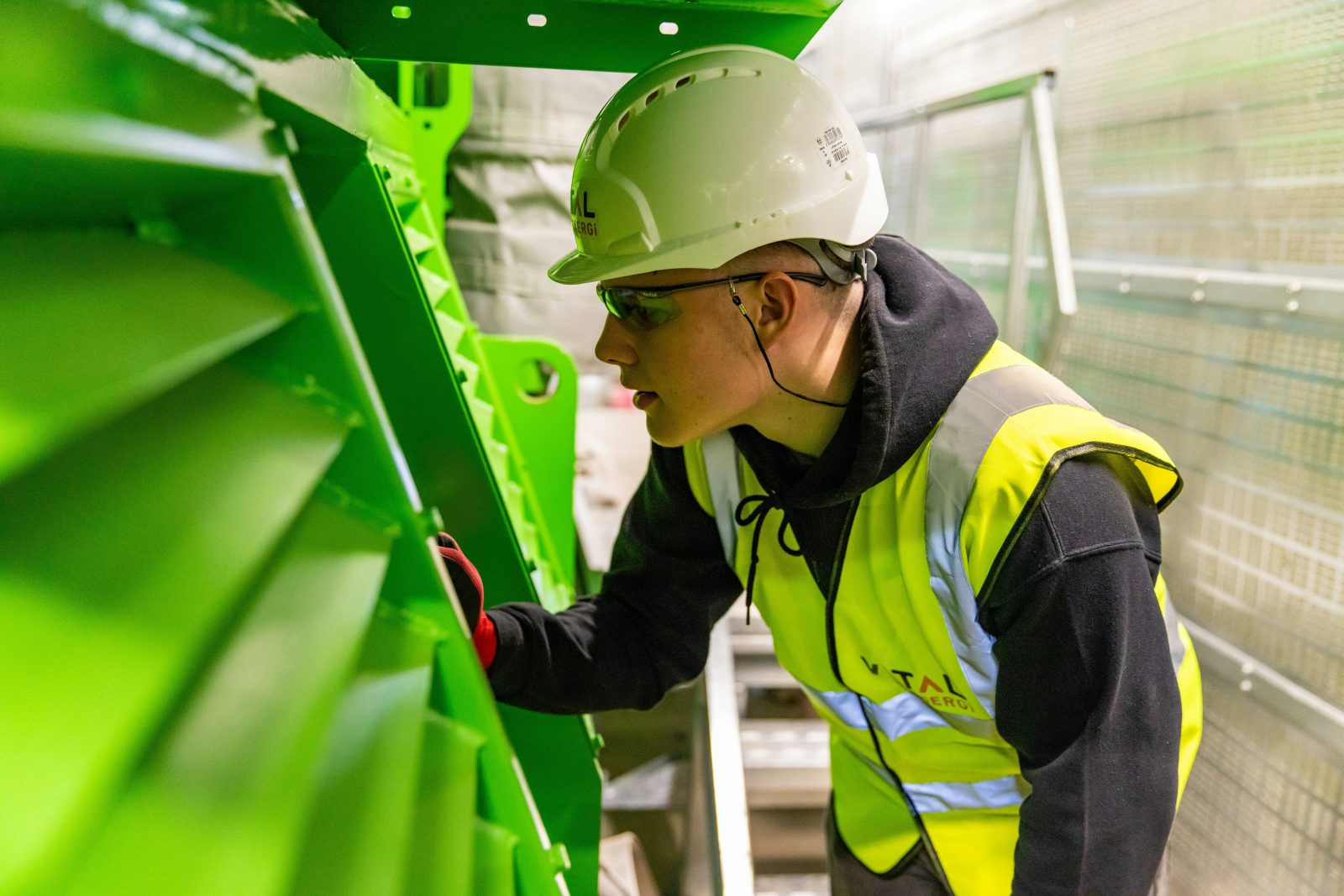
When site temperatures pass 50°C, workers stop wearing protective clothing. That is not a discipline problem; it is a specification problem. Standard hi-vis and coveralls trap heat, so crews strip down and expose themselves to heat stress, UV damage and the risk of being struck by moving plant. The decision you make here determines whether your safety programme holds up in summer or collapses. By the end of this guide you will know which cooling vest, hi-vis class and sun protection combination to write into your next purchase order.
Cooling vests: evaporative vs phase-change
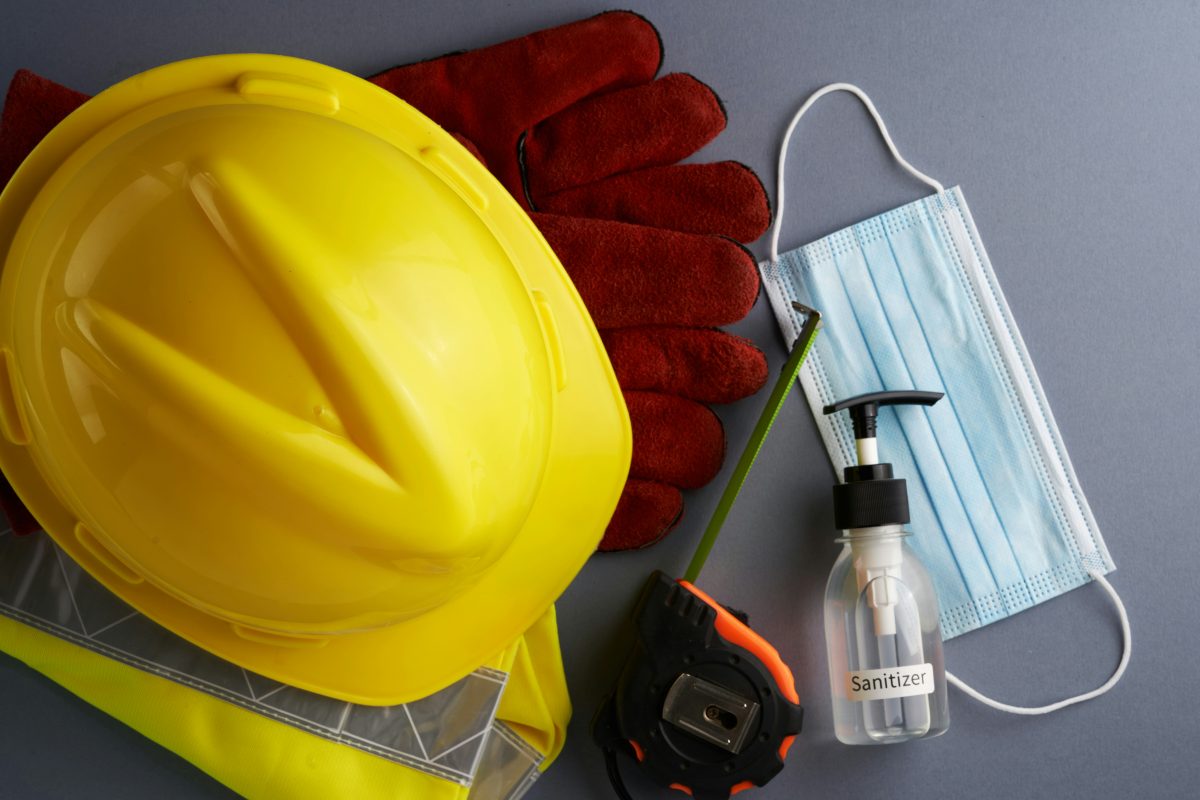
Two passive cooling technologies dominate the market. Evaporative vests absorb water and cool as it evaporates; they work best in dry heat with low humidity, which fits most Middle East and Central Asia sites. Phase-change vests use inserts that melt at a fixed temperature (typically 28°C), absorbing heat without wetting the wearer; they suit humid coastal sites where evaporation is slow.
| Feature | Evaporative | Phase-change |
|---|---|---|
| Cooling mechanism | Water evaporation | Melting inserts Best climate |
| Dry heat, low humidity | Humid, coastal Duration |
2–4 hours per soak |
| 1–2 hours per set Weight when active |
Heavier (water) | Moderate Recharge |
| Re-soak in water | Replace or refreeze inserts Typical use |
Outdoor construction |
| Indoor, confined spaces |
For a 50°C desert site with relative humidity below 30%, evaporative vests are the practical choice. Buy one vest per worker plus two spare inserts or liners, because a soaked vest needs rotation during a long shift. Check that the vest fabric is not just a cooling layer: it should also offer UPF 50+ sun protection on the covered areas.
The cheapest cooling vest is the one workers actually wear; a vest that stays in the locker protects no one.
Hi-vis clothing: which class for desert sun
EN ISO 20471 defines three classes based on background and reflective material area. Class 3 is for high-risk situations with fast traffic or moving plant; Class 2 suits most construction and warehouse work. In desert light, the issue is not just class: white or light-coloured hi-vis reflects heat better than fluorescent yellow, but some buyers worry about visibility contrast against sand.